Source sewing scissors for shearing, home use, and salon work
Explore 30 listings for sewing scissors including tailor, student, and general shearing models. Buyers can compare blade materials, handle types, and MOQs from verified Chinese manufacturers to find the right tools for home, salon, or factory applications.
Key considerations
Products List


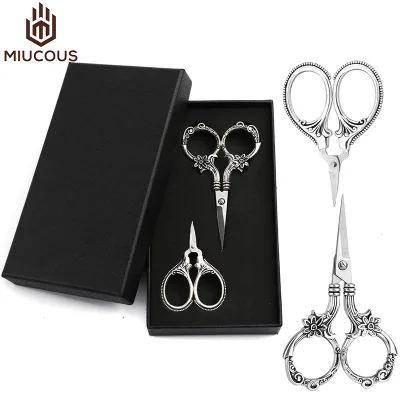
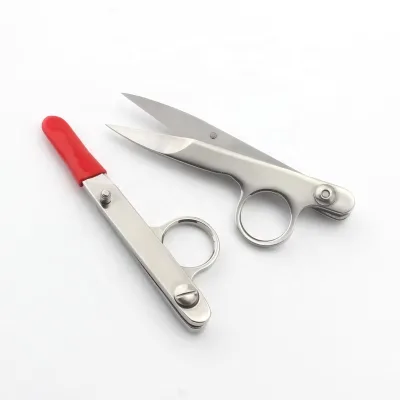


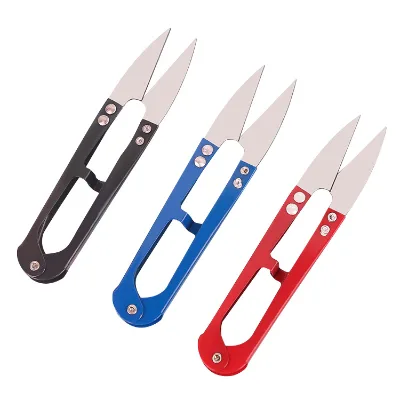


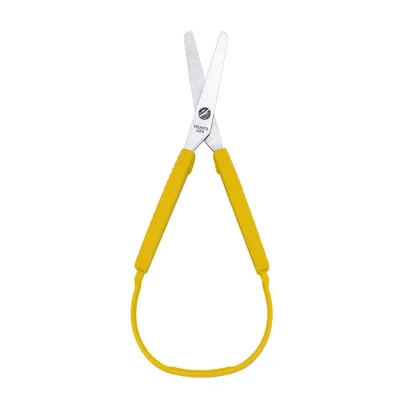
Comprehensive Sourcing Guide
Strategic Sourcing Guide for Industrial Sewing Scissors
The global market for sewing scissors presents a complex landscape for B2B procurement professionals, characterized by a wide variance in technical specifications, material compositions, and supply chain requirements. When sourcing these critical cutting tools, buyers must navigate a spectrum of products ranging from basic household shears to specialized industrial-grade equipment. The following guide synthesizes observed market data and technical attributes to provide a disciplined framework for evaluating suppliers, verifying product quality, and managing procurement risks. This analysis focuses on the tangible attributes found in current listings, such as blade materials, handle compositions, and packaging standards, to ensure that procurement decisions are grounded in verifiable facts rather than marketing assertions.
Technical Specifications and Material Composition
The foundational aspect of any sewing scissors procurement strategy is the rigorous verification of material composition and physical dimensions. In the current market, the primary blade material observed is stainless steel, a choice that directly correlates with corrosion resistance and edge retention capabilities. This material selection is critical for applications involving frequent use in humid environments or contact with various fabrics. The blade type is predominantly straight, designed for precision cutting, while the blade tip is consistently noted as sharp, indicating a focus on clean incision performance.
Beyond the blade, the handle material varies significantly between listings, with polypropylene (PP) and general plastic being the most common observations. The choice of handle material influences the ergonomics and durability of the tool. For heavy-duty applications, the structural integrity of the plastic or metal components must be validated against specific usage loads. The product standards observed in the market include specific length measurements, such as 8-inch and 9.5-inch models, alongside general size classifications like "less than 5.5 inches." These dimensions are not merely cosmetic but dictate the tool's suitability for specific tasks, such as fine tailoring versus heavy fabric shearing.
Furthermore, the product model identifiers, such as "TC-805B" or "routine," serve as unique markers for specific design iterations. Buyers should treat these model numbers as essential data points for tracking inventory and ensuring consistency across large orders. The origin of these products is predominantly China, with specific manufacturing hubs noted in Zhejiang and Zhengjiang. Understanding the regional manufacturing capabilities can provide insight into the supply chain's capacity and the typical logistical parameters associated with these regions.
Compliance, Certification, and Safety Standards
In the realm of B2B procurement, compliance and safety standards are non-negotiable, yet the provided data indicates a need for careful verification rather than assumed adherence. While the product listings mention specific standards like "8-inch" or "9.5-inch" as product standards, these often refer to dimensional specifications rather than international safety certifications. Buyers must explicitly verify if the products meet relevant international safety standards for cutting tools, such as ISO or ANSI requirements, which are not explicitly confirmed in the general observations.
The condition of the products is uniformly listed as "New," which is a baseline requirement for commercial resale. However, the absence of specific certification data in the provided facts necessitates a proactive approach from the buyer. Procurement teams should request third-party test reports to validate claims regarding blade sharpness, handle durability, and material purity. For products intended for use in educational or industrial settings, such as "Student Scissors" or "Factory" applications, additional safety features like rounded tips or specific locking mechanisms may be required, though these are not universally observed in the current data set.
It is also crucial to distinguish between general product standards and specific industry certifications. The mention of "Ordinary Hand Sewing Needle" types in related product lines suggests a broader ecosystem of sewing tools where cross-compatibility and safety are paramount. Buyers should ensure that any supplier claims regarding compliance are backed by documented evidence, as the default market observation does not guarantee adherence to specific regulatory frameworks without explicit verification.
Cost Drivers and Pricing Dynamics
The pricing structure for sewing scissors is influenced by a complex interplay of material costs, manufacturing complexity, and order volume. The observed price range in the market spans from $0.10 to $14.05 USD, reflecting the vast diversity in product quality and intended application. This wide disparity suggests that low-cost options may utilize lower-grade stainless steel or simpler plastic molding processes, while premium products likely incorporate higher-grade materials and more ergonomic designs.
A significant cost driver is the Minimum Order Quantity (MOQ). The data reveals a substantial range, from 1 carton (CTN) to 7,200 pieces. High MOQs, such as 7,200 pieces, often correlate with lower unit costs due to economies of scale in production and shipping. Conversely, lower MOQs, such as 100 pieces or 1 CTN, cater to smaller buyers or those testing the market, but typically command a higher per-unit price. Buyers must balance their inventory needs against their cash flow constraints to determine the optimal order size.
Packaging also plays a pivotal role in cost calculation. The observed packing configurations vary from 6 pieces per box to 100 pieces per carton, with specific carton dimensions provided, such as 45.52750.5 cm or 492849 cm. These dimensions directly impact shipping logistics and freight costs. A buyer optimizing for cost should consider the volumetric efficiency of the packaging. For instance, a configuration of 12 pieces per card, 20 cards per box, and 6 boxes per carton offers a different density than 100 pieces per carton. Understanding these packing metrics is essential for accurate landed cost calculations.
Typical Applications and Usage Scenarios
The versatility of sewing scissors is evident in the diverse applications listed, ranging from home use to industrial factory settings. The primary applications observed include shearing, snipping, and general home use. Specific product types are tailored to distinct user groups, such as "Tailor Scissors" for professional garment construction and "Student Scissors" for educational environments. This segmentation implies that buyers should align their procurement with the specific end-use requirements of their target market.
For industrial applications, such as "Factory" or "Salon" use, the durability and precision of the scissors are paramount. The "Shearing" application suggests the need for tools capable of cutting through multiple layers of fabric or heavy materials without dulling. In contrast, "Home" and "Student" applications may prioritize safety features and ease of use over extreme durability. The "Hand Sewing" usage category further highlights the need for specialized tools that complement sewing needles and threads, indicating a potential cross-selling opportunity for related accessories like sewing threads and needles.
The following table summarizes the observed application segments and their corresponding product characteristics:
| Application Segment | Primary Use Case | Observed Product Type | Key Attributes |
|---|---|---|---|
| Home | General household cutting | Tailor Scissors, Student Scissors | Sharp tip, Straight blade, Black color |
| Industrial | Factory, Salon, Shearing | Heavy-duty Shears | Stainless steel blade, High durability |
| Educational | Student use | Student Scissors | Safety features, PP/Plastic handles |
| Professional | Tailoring, Snipping | Tailor Scissors | Precision cutting, Standardized sizes |
Supplier Evaluation and Supply Chain Verification
Evaluating suppliers for sewing scissors requires a meticulous review of their operational capabilities and logistical reliability. The observed data indicates that suppliers are primarily located in China, with specific mentions of Zhejiang and Zhengjiang as production hubs. These regions are known for their manufacturing clusters, but buyers must verify the specific factory capabilities to ensure they can meet demand fluctuations.
Key evaluation criteria include the supplier's supply ability, which is observed as 50,000 bags per day for related sewing products. While this figure pertains to a broader product line, it suggests a high-capacity manufacturing environment. Buyers should confirm if this capacity extends to sewing scissors and whether the supplier can maintain consistent quality during peak production periods. The delivery time of 30 days is a standard lead time observed in the market, but this should be treated as a baseline that may vary based on order volume and customization requirements.
Customization is listed as "Available," offering buyers the opportunity to tailor products to specific branding or functional needs. However, the extent of customization, such as logo placement or handle color variations, must be clarified during the negotiation phase. The packing configurations, such as 6 pieces per box or 100 pieces per carton, should be verified to ensure they align with the buyer's distribution requirements. Additionally, the gross weight (G.W) of the cartons, ranging from 14.5 kg to 24 kg, is critical for calculating shipping costs and handling requirements.
Quality Control and Long-Term Procurement Strategy
Implementing a robust quality control (QC) protocol is essential for mitigating risks associated with sewing scissors procurement. Given the variation in materials and manufacturing processes, buyers should establish clear acceptance criteria for blade sharpness, handle integrity, and dimensional accuracy. The observation of "Sharp" blade tips and "Stainless Steel" materials provides a baseline, but regular sampling and testing are necessary to ensure consistency across batches.
Long-term procurement considerations involve building a resilient supply chain that can adapt to market changes. Buyers should diversify their supplier base to avoid dependency on a single source, especially given the concentration of suppliers in specific Chinese regions. Establishing clear communication channels regarding lead times, MOQ adjustments, and quality standards will facilitate smoother operations. The availability of customization options allows for strategic differentiation, enabling buyers to create unique product offerings that stand out in competitive markets.
Furthermore, the environmental and ethical implications of sourcing should not be overlooked. While not explicitly detailed in the provided data, buyers should inquire about the sustainability of the materials used, particularly the plastics and metals, and the labor practices employed by the suppliers. Ensuring that the supply chain adheres to ethical standards can protect the buyer's brand reputation and align with corporate social responsibility goals.
In conclusion, sourcing sewing scissors requires a balanced approach that combines technical verification, cost analysis, and strategic supplier management. By focusing on the observable facts of material composition, packaging, and application, buyers can make informed decisions that optimize value and minimize risk. The diverse range of products available, from basic student scissors to industrial shears, offers ample opportunity for tailored procurement strategies that meet the specific needs of various market segments.
FAQs
What blade material is standard for sewing scissors?
The standard blade material is stainless steel, which ensures corrosion resistance and edge retention. This material is consistently observed across listings for both home and industrial applications, providing durability for frequent cutting tasks.
Can buyers customize these sewing scissors?
Yes, customization is available for most products in this category. Buyers can request specific modifications to meet branding or functional needs, though the extent of changes should be confirmed directly with the supplier before ordering.
What is the typical delivery time for these scissors?
The typical delivery time is 30 days from order confirmation. This lead time applies to standard orders, but it may vary depending on the order volume and specific customization requirements requested by the buyer.
Which sizes are commonly available for sewing scissors?
Common sizes include 8-inch and 9.5-inch models, with some options under 5.5 inches. These dimensions determine the tool's suitability for tasks ranging from fine tailoring to heavy fabric shearing in industrial settings.
How does the MOQ vary for sewing scissors?
Minimum Order Quantities range widely from 100 pieces to 7,200 pieces depending on the product type. Lower MOQs like 100 pieces suit smaller buyers, while higher volumes like 7,200 pieces often secure better unit pricing.
What handle materials are used for these scissors?
Handle materials typically include polypropylene (PP) or general plastic. These materials are selected for their ergonomic properties and durability, ensuring comfortable use during extended periods of cutting in various environments.
Where are these sewing scissors manufactured?
These products are primarily manufactured in China, with specific hubs in Zhejiang and Zhengjiang. Sourcing from these regions provides access to established manufacturing clusters capable of meeting high-volume production demands.